

The Industrial Capabilities Case Study
This case study draws from delivered work across logistics, manufacturing, and technical facilities, compiled for sponsors evaluating execution risk.
Executive Summary Industrial development is operating inside narrower margins. Automation requirements are increasing. Schedules are less flexible. Capital partners expect fewer assumptions and more certainty at the point of ground break.The work now demands tighter coordination between preconstruction, procurement, and field execution. Distribution facilities are scaling faster. Technical buildings are carrying higher system density. Regional expansion is occurring before local teams are fully established.
Stability is achieved through repeatable planning, disciplined sequencing, and teams that understand how early decisions surface later in the schedule and the balance sheet.
Fill out the form below to download the Case Study:
Judgment Built From Volume
MYCON’s perspective is informed by scale. More than 40 million square feet of industrial space has been delivered across multiple markets and building types. That volume exposes patterns. Where schedules compress. Where budgets drift. Where coordination fails.
Recognition such as NAIOP Contractor of the Year reflects consistency, not exception. The value is not the award. It is the dataset behind it. Repeated exposure to similar constraints produces clearer judgment on cost control, system coordination, and delivery risk.
This work translates field-level realities into decisions that align with investment objectives.
Operating Principles
Budget Clarity
Preconstruction is treated as a financial modeling exercise. Scope, cost, and schedule are aligned early to reduce downstream volatility.
Field Alignment
Reliable execution depends on clear communication across trades, consultants, and ownership. Information moves before issues escalate.
Technical Precision
Automation and process-driven facilities require tighter tolerances and earlier coordination. Systems are resolved before they reach the field.
Geographic Continuity
Multi-region delivery relies on consistent processes, not local improvisation. Market shifts are managed without resetting standards.

Proof in Application
Project Mercury. Lebanon, Tennessee
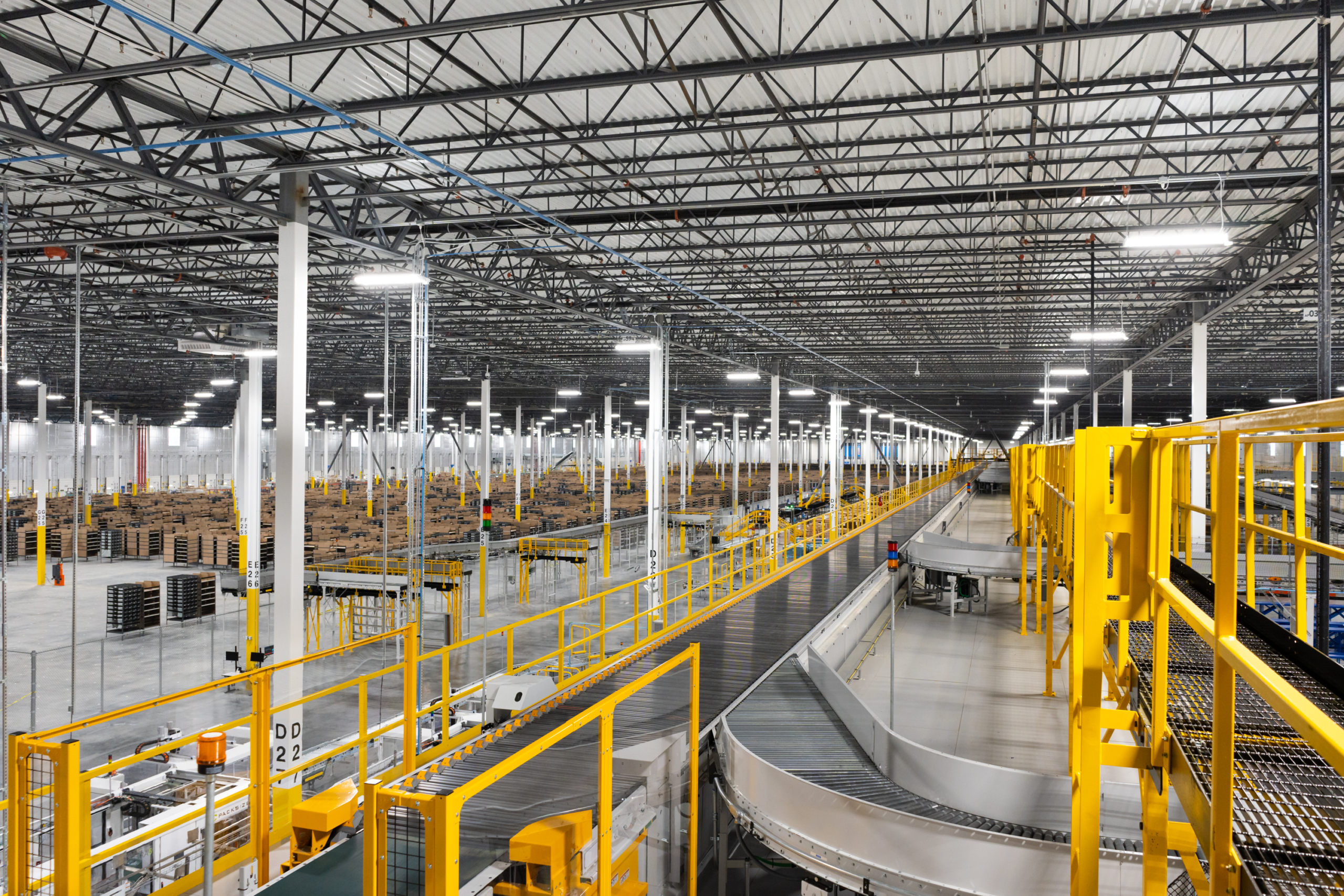
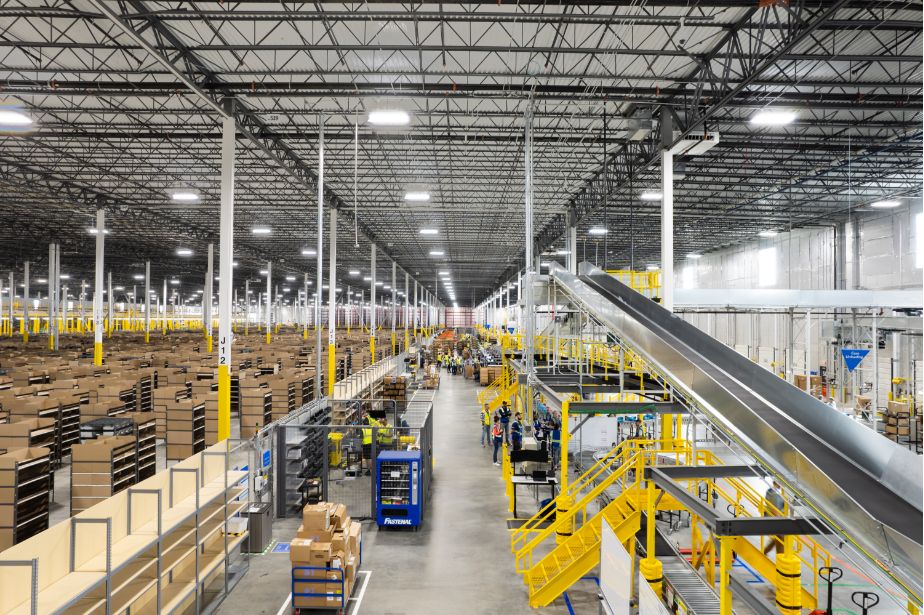
Automation-ready distribution required tight tolerances and early system coordination. Preconstruction modeling reduced field rework and protected schedule integrity.
ELSA Semiconductor. Plainview, Texas
Multiple stakeholders and complex chemical and mechanical systems demanded disciplined sequencing. Coordination resolved system conflicts before installation.
Access The Case Study
Logistics and Distribution
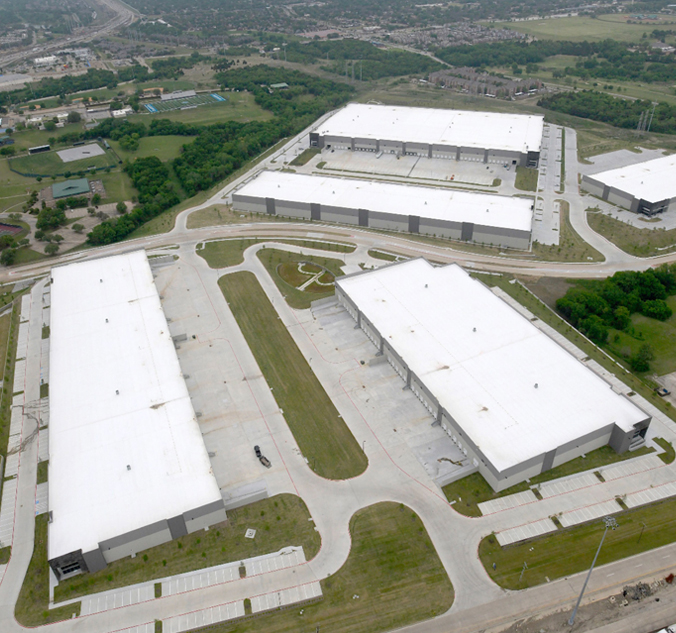
Large-scale facilities such as Logistix Hub in Wilmer, Texas illustrate how schedule control and sequencing decisions impact lease-up and operational readiness at scale.
Technical and Automation-Driven Facilities
Projects like Project Mercury in Lebanon, Tennessee and semiconductor support work in Plainview, Texas show how early coordination supports automation, tight tolerances, and system integration.
Multi-Region Execution
Projects nationwide, with hubs strategically located in Texas, Tennessee, and Arizona, demonstrate how regional expansion is executed without sacrificing predictability in cost, schedule, or quality.